
Diet Plan for Various Health and Disease Condition
Creating a diet plan tailored to various health and disease conditions involves considering individual needs, nutritional requirements, and specific health goals. Here’s a general overview of dietary recommendations for different health conditions:
Heart Health:
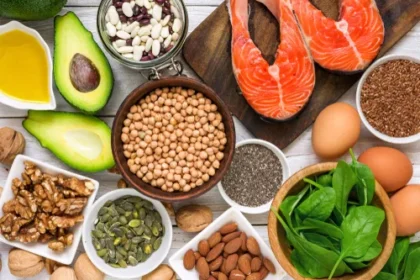
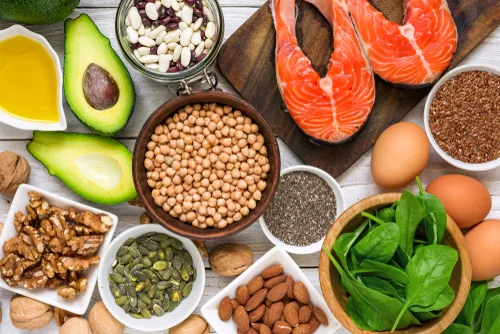
Key Nutrients: Focus on a diet rich in fruits, vegetables, whole grains, lean proteins (such as fish, poultry, legumes, and nuts), and healthy fats (found in olive oil, avocados, and nuts).
Key Nutrients: Focus on a diet rich in fruits, vegetables, whole grains, lean proteins (such as fish, poultry, legumes, and nuts), and healthy fats (found in olive oil, avocados, and nuts).
Limit: Reduce sodium intake, saturated and trans fats, and refined sugars. Monitor cholesterol levels by choosing lean proteins and incorporating foods high in omega-3 fatty acids.
Example: A Mediterranean-style diet with fish, olive oil, whole grains, and plenty of vegetables.
Diabetes:

Key Nutrients: Emphasize complex carbohydrates, fiber-rich foods, lean proteins, and healthy fats. Focus on portion control and balanced meals to manage blood sugar levels.
Limit: Limit refined sugars, processed foods, and excessive carbohydrate intake.
Example: A balanced plate with lean protein, whole grains, and plenty of non-starchy vegetables.
Weight Management:
Key Nutrients: Emphasize a well-balanced diet with a mix of macronutrients, including lean proteins, whole grains, fruits, vegetables, and healthy fats.
Limit: Limit processed foods, sugary snacks, and high-calorie beverages. Practice portion control and mindful eating.
Example: A diet rich in plant-based foods with appropriate portion sizes.
Gastrointestinal Issues (e.g., Irritable Bowel Syndrome – IBS):
Key Nutrients: Emphasize soluble fiber from fruits, vegetables, and whole grains.
Limit: Limit high-fat and spicy foods, as well as certain FODMAPs (fermentable oligosaccharides, disaccharides, monosaccharides, and polyols) for individuals with IBS.
Example: A low-FODMAP diet with easily digestible foods and well-cooked vegetables.
Osteoporosis:
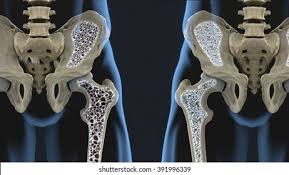
Key Nutrients: Focus on calcium-rich foods like dairy products, leafy green vegetables, and fortified foods. Adequate vitamin D is essential for calcium absorption.
Limit: Limit excessive caffeine and alcohol intake, as they can affect calcium absorption.
Example: A diet with a variety of calcium-rich foods and vitamin D sources.
Kidney Disease:
Key Nutrients: Control protein intake, limit phosphorus-rich foods, and monitor potassium levels. Focus on high-quality protein sources.